
Sculpture
Baroque Sculpture: Drama and Expression
Posted:2024-11-21
Author:Art
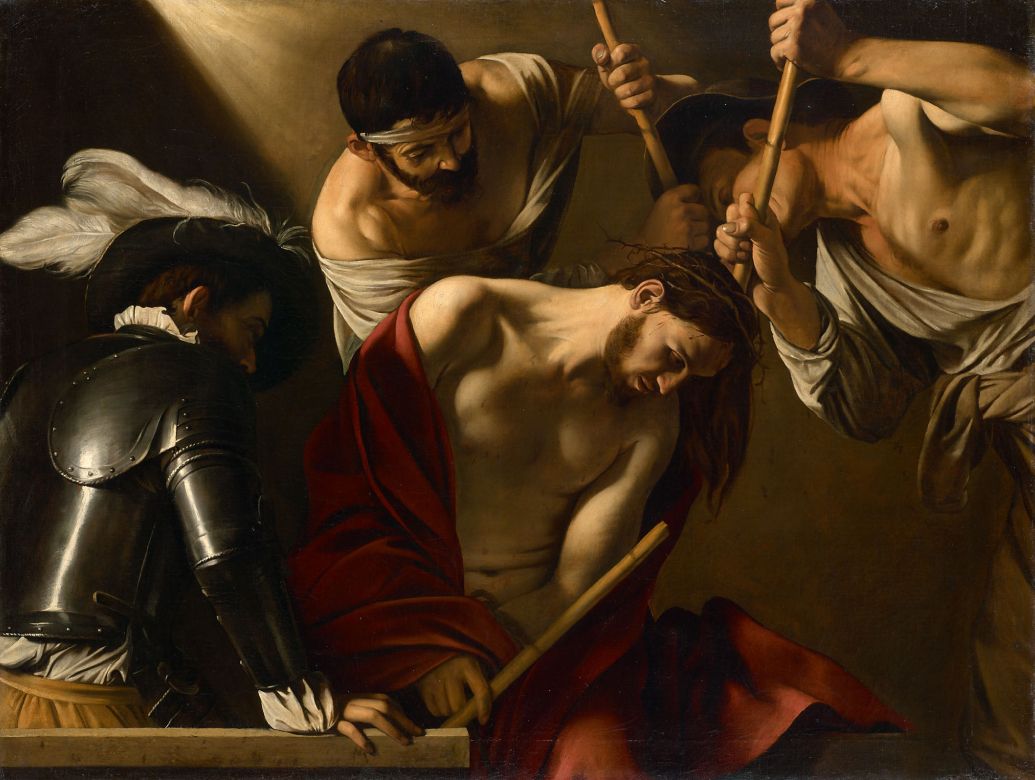
The Baroque era brought drama and expression to art, which was also reflected in sculpture. Baroque sculptures are known for their dynamism, rich detail, and emotional depth, often depicting scenes at moments of peak tension. Baroque sculptors used dynamic poses and intense emotions to create works that captivate and evoke strong feelings.
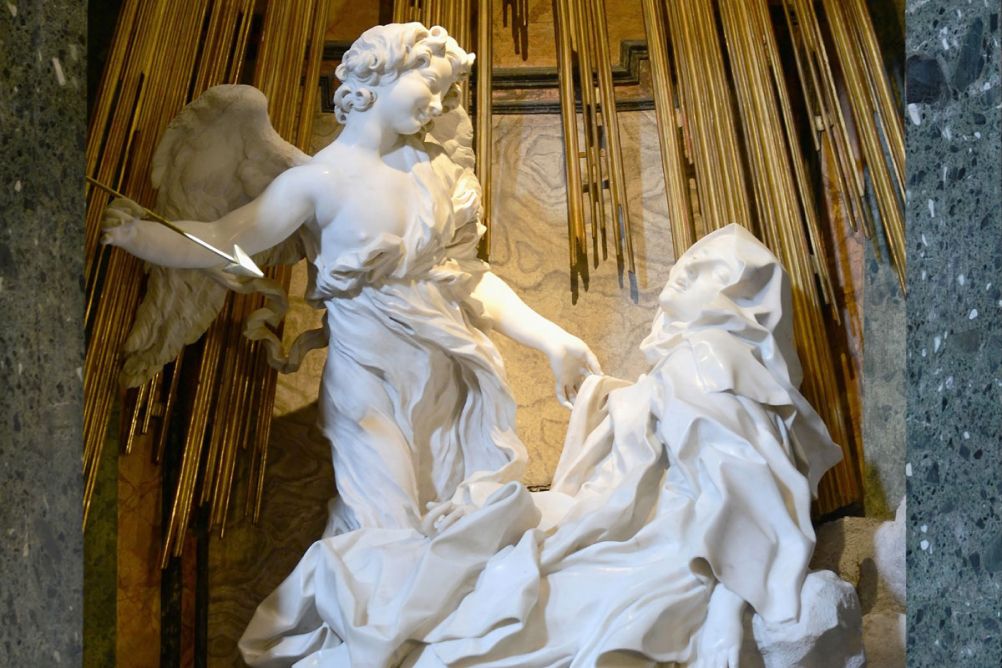
Gian Lorenzo Bernini — "The Ecstasy of Saint Teresa"
Italian sculptor Gian Lorenzo Bernini became a symbol of the Baroque. His work "The Ecstasy of Saint Teresa" depicts the saint in a moment of spiritual ecstasy. The sculpture conveys subtle feelings, showcasing Bernini’s skill in using light and shadow.
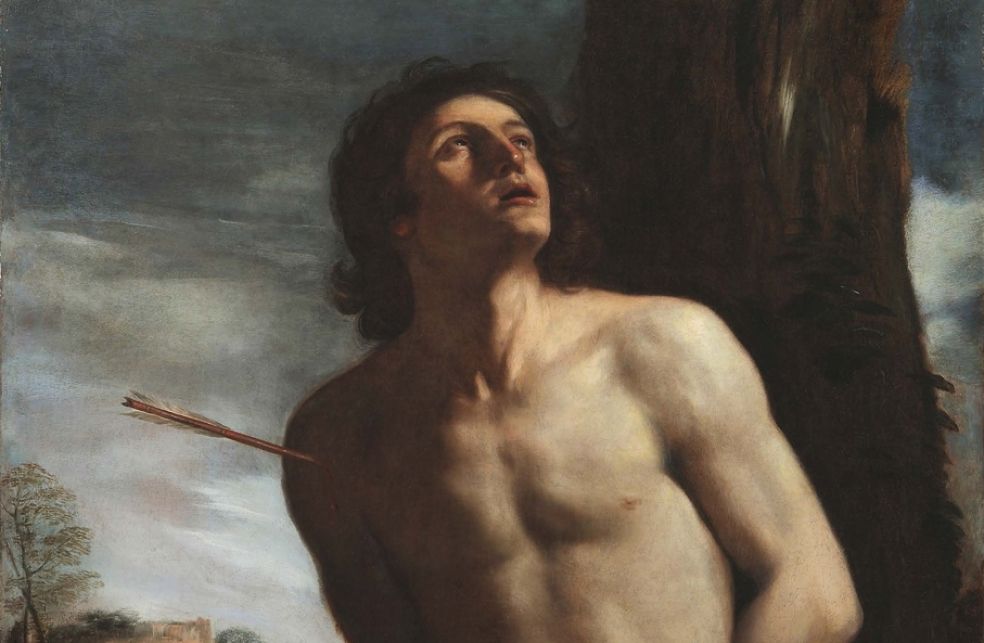
Pietro da Cortona — "Saint Sebastian"
Italian sculptor Pietro da Cortona created many sculptures, including "Saint Sebastian," where he depicts the martyr in a dynamic and expressive pose. The work is notable for its realism and drama, highlighting tragedy and heroism.
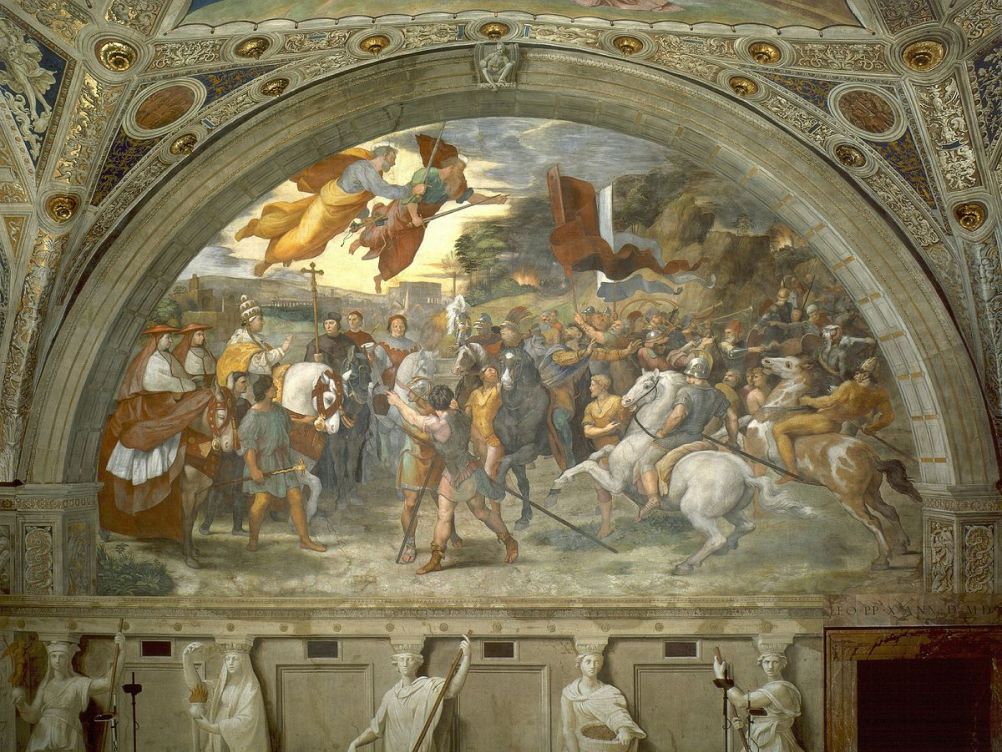
Alessandro Algardi — "Pope Leo the Great"
Italian sculptor Alessandro Algardi created a relief depicting Pope Leo stopping Attila. Algardi conveyed the tension and drama of the scene through rich details and composition, making the sculpture a symbol of Baroque expression.
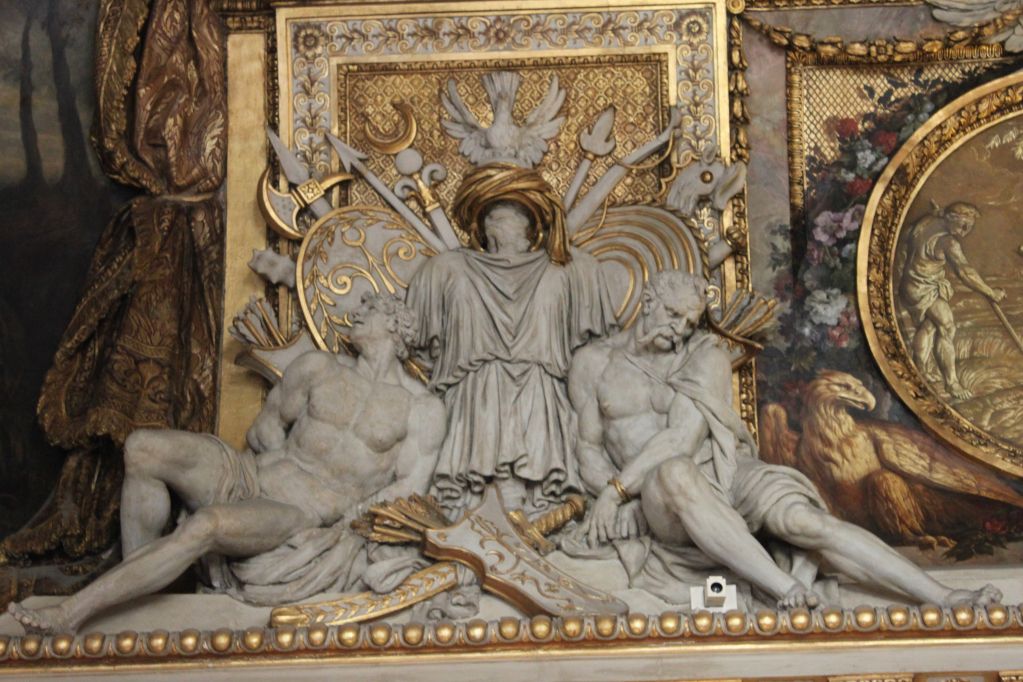
François Girardon — "Pluto Abducting
Proserpina"
French sculptor François Girardon created this sculpture, inspired by Greek mythology. It shows the moment when Pluto abducts Proserpina and stands out for its dynamism and detail, illustrating Baroque influence on French art.
Baroque sculpture became the art of expression and drama, allowing sculptors to convey human emotions and passions. Baroque left a profound mark on art history, showing that sculpture can be not only static but also alive and emotional.