
Poetry
Symbolism in Poetry: Great Poets and Their Works
Posted:2024-11-14
Author:Art
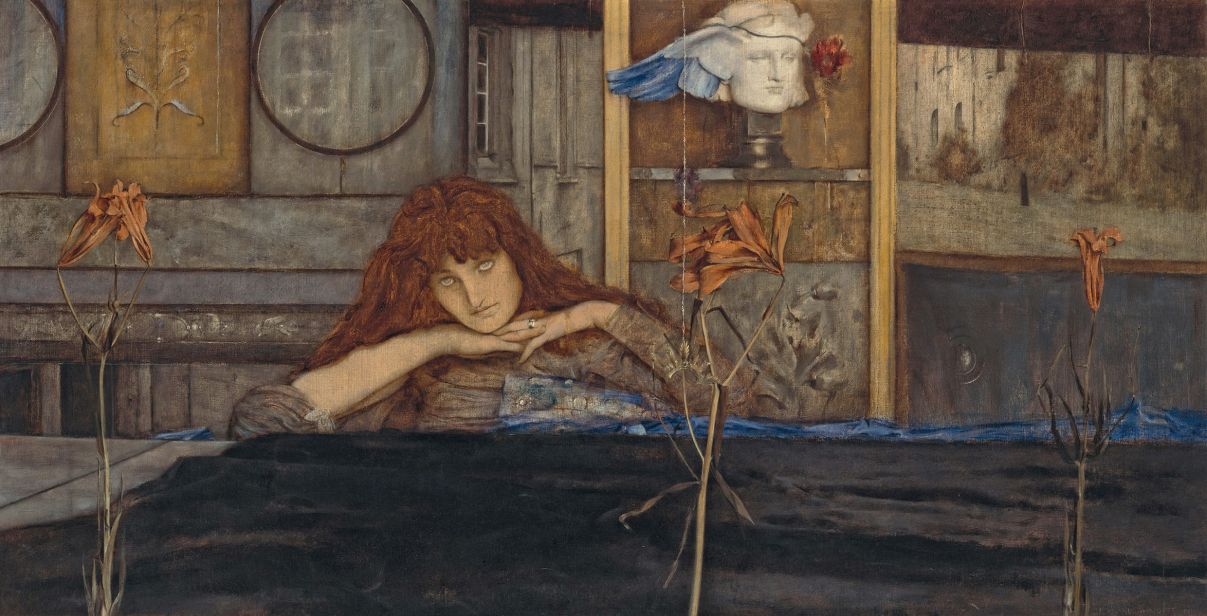
Symbolism is one of the most significant movements in poetry, emerging in the late 19th century. Symbolist poets sought to move away from literal meanings, expressing hidden emotions and sensations through symbols and imagery. The poetry of this movement is filled with mysterious, multi-layered works that not only convey meaning but invite readers into an intuitive and mystical world. Symbolism has left a significant mark on world poetry, and its influence is still felt today.
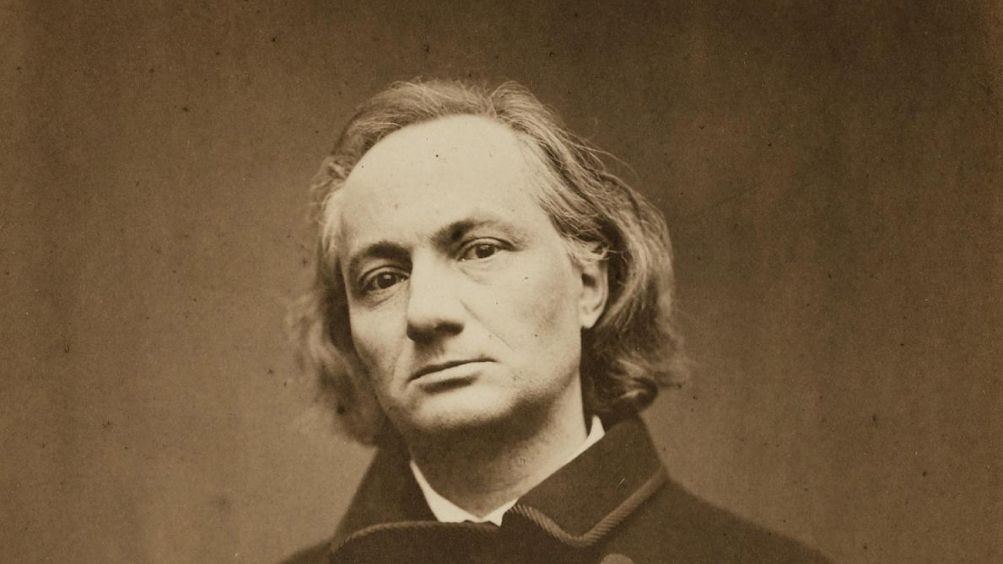
Charles Baudelaire
French poet Charles Baudelaire is considered one of the founders of symbolism. His famous collection of poems, "Les Fleurs du mal" (The Flowers of Evil), is filled with dark and enigmatic images that explore themes of death, love, beauty, and vice. Baudelaire sought to reveal the darker sides of life, using metaphors and symbols to uncover the complexity of the human soul.
"“A cursed flower has bloomed, thriving within its prison.”"
Charles Baudelaire
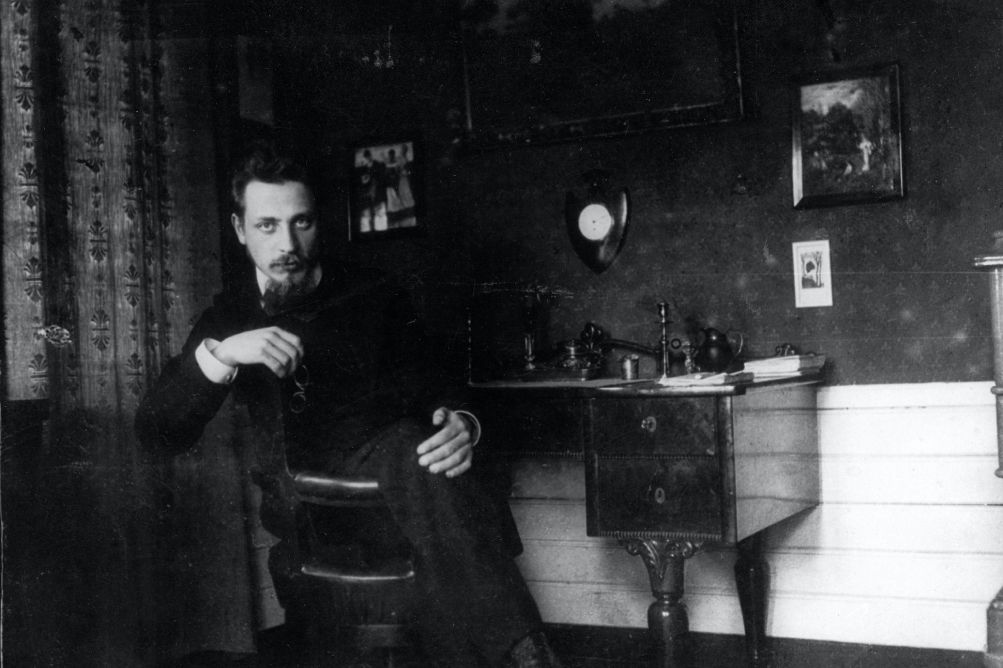
Rainer Maria Rilke
German poet Rainer Maria Rilke brought unique characteristics to symbolism. His poems are filled with deep philosophical reflections and spiritual quests. In his famous "Duino Elegies," Rilke uses images of angels and the supernatural to express existential concerns and a yearning to comprehend a higher meaning. His symbolism is rooted in the search for harmony and self-discovery.
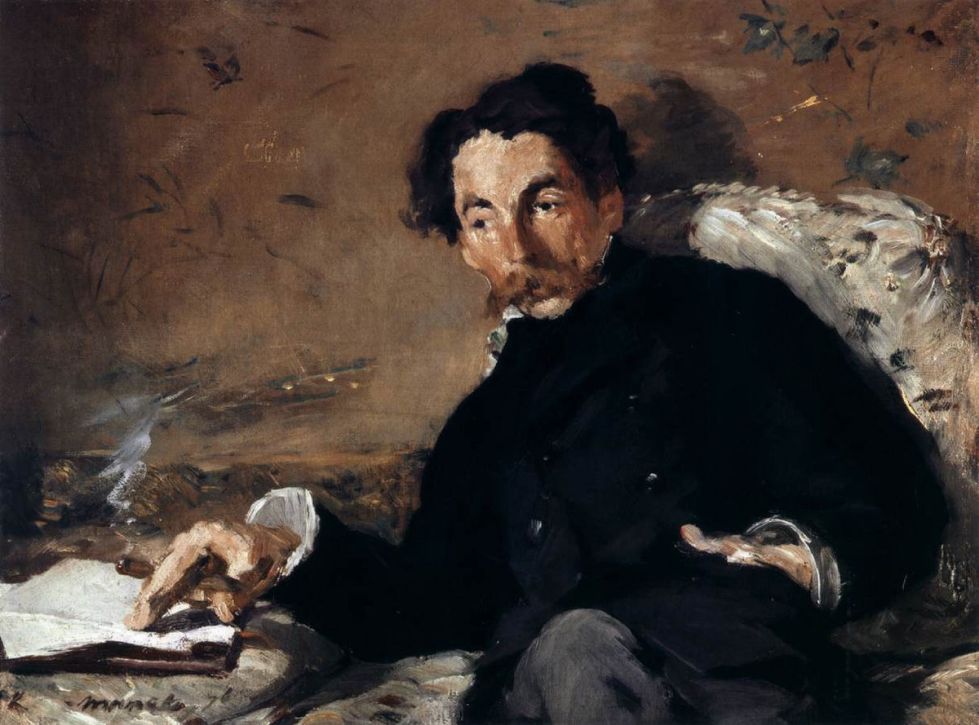
Stéphane Mallarmé
Stéphane Mallarmé, another prominent French symbolist, focused on the musicality of language and pursued what he called “pure art.” His poems are often complex, filled with allusions and layered symbols. For example, “The Afternoon of a Faun” is a multi-dimensional work where a mythological figure’s musings convey feelings of solitude and longing, illustrating Mallarmé's deep symbolic expression.
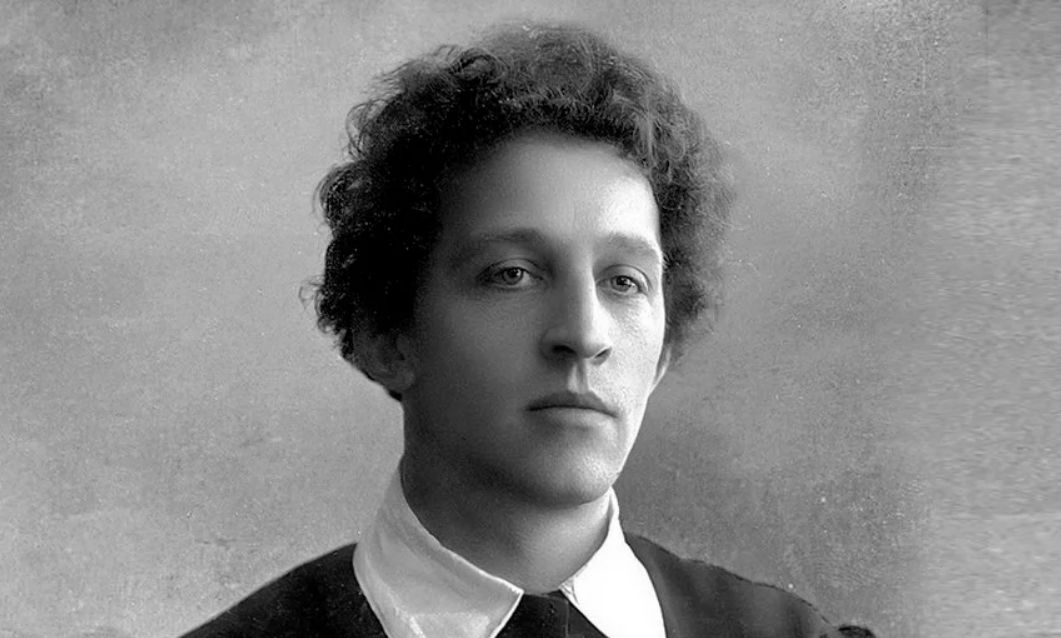
Alexander Blok
Russian poet Alexander Blok brought a unique flavor to symbolism. His poems are filled with the image of the Beautiful Lady, mystical experiences, and romanticism. In his cycle “Poems about the Beautiful Lady,” Blok uses symbols to express his belief in a higher spiritual love, which became the cornerstone of his poetry. His works remain among the brightest pages of Russian symbolism.
Symbolism in poetry remains a source of inspiration and study for poets and readers worldwide. These works demonstrate how to convey hidden feelings and ideas without direct description. They fill poetry with ambiguity, encouraging readers to ponder deeply and search for their interpretations.