
Poetry
Existential Questions in World Poetry
Posted:2024-11-18
Author:Art
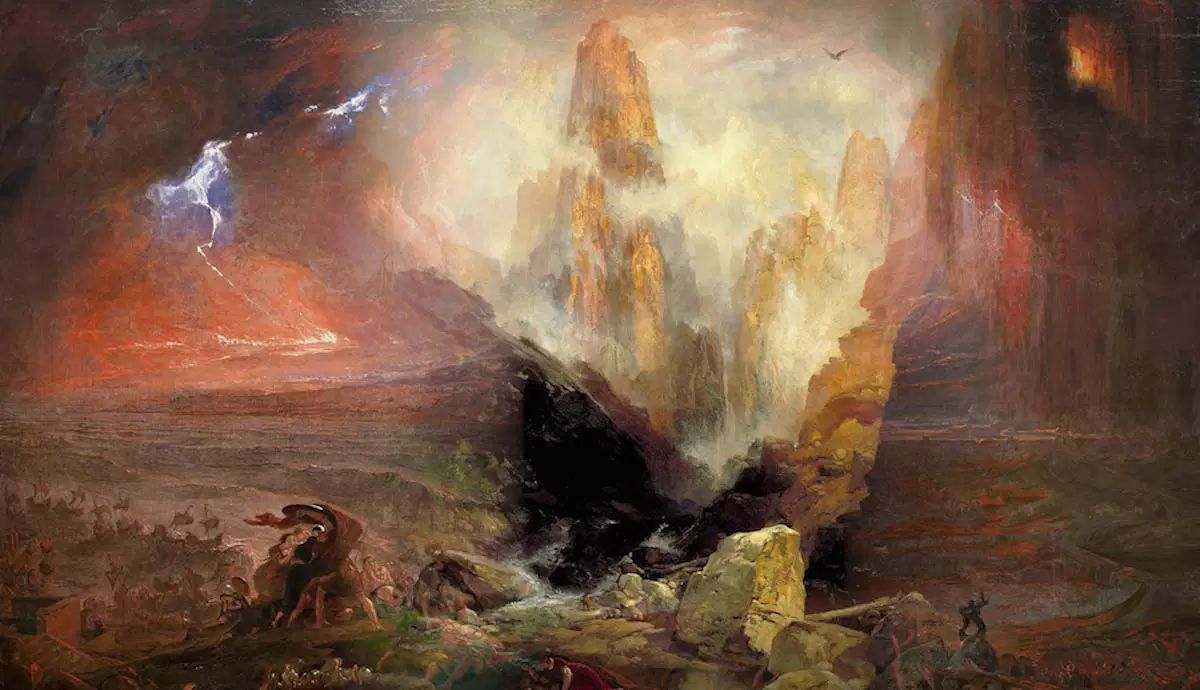
Existential questions about the meaning of life, death, loneliness, and freedom have always concerned humanity. Poets who ponder these themes create works that encourage us to reflect on our place in the world, our fears, and aspirations. Existential poetry is a profound journey into the human soul, where each line offers a new interpretation of existence.

Friedrich Nietzsche
Although Nietzsche is more famous as a philosopher, his poetry also deserves attention. In "Thus Spoke Zarathustra," he explores themes of freedom, self-knowledge, and overcoming oneself. His lines are full of challenge and strength, calling people to embrace their individuality.
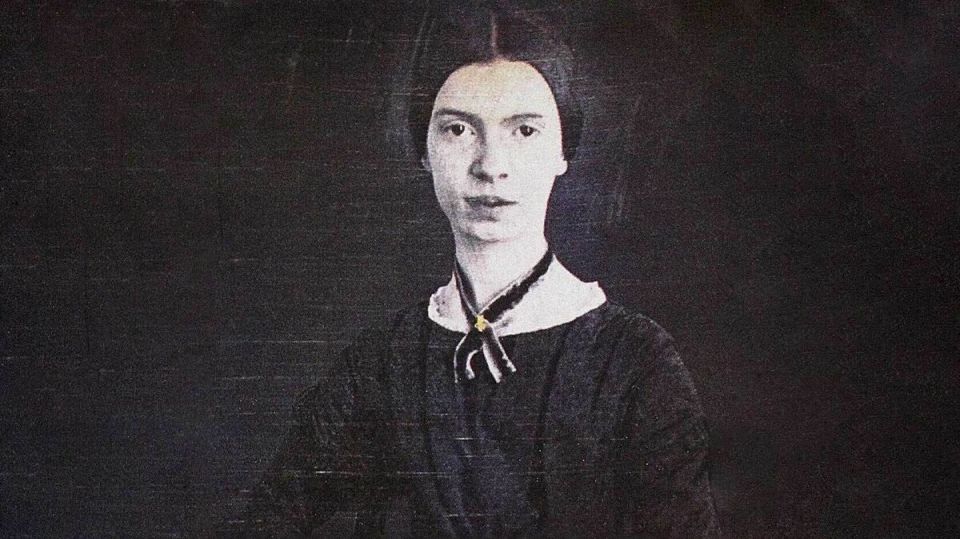
Emily Dickinson
American poet Emily Dickinson wrote about death, time, and loneliness, using imagery that compels readers to think about eternal questions. Her poem "Because I could not stop for Death..." offers an unexpected interpretation of death as a journey, showing that even the darkest themes can be expressed with tenderness.
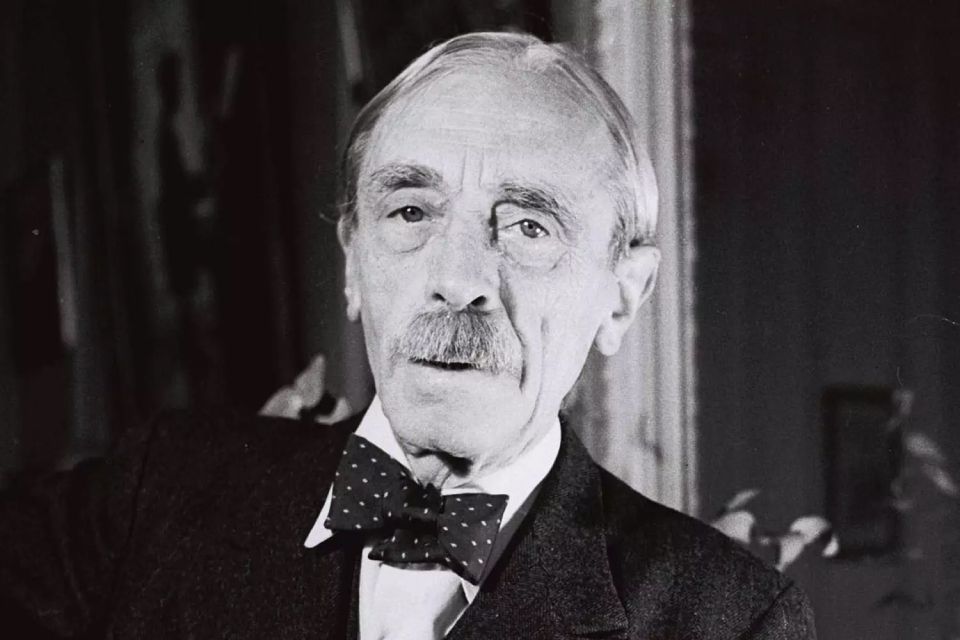
Paul Valéry
French poet Paul Valéry is known for his philosophical poetry. In his poem "The Graveyard by the Sea," Valéry reflects on life, death, and immortality. Describing the sea as a metaphor for these themes, he invites readers to seek wisdom and accept inevitability.
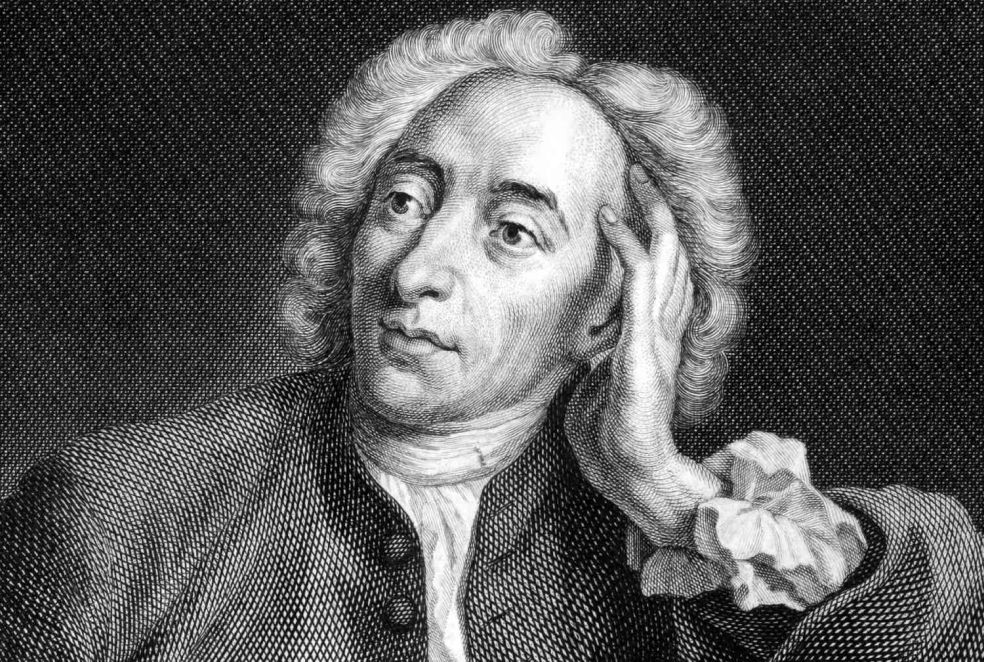
Alexander Pope
English poet Alexander Pope, in his work "An Essay on Man," explores humanity’s place in the universe. He addresses questions about human roles, weaknesses, and virtues, reminding us of our connection to nature and the world.
Existential poetry helps us look within ourselves, acknowledge our fears and joys, and pose questions that define the human experience. These poems do not offer answers but reflections that continue to inspire readers to search for their own path.