
Literature
The Modernist Era: Literature That Broke Stereotypes
Posted:2024-11-12
Author:Art
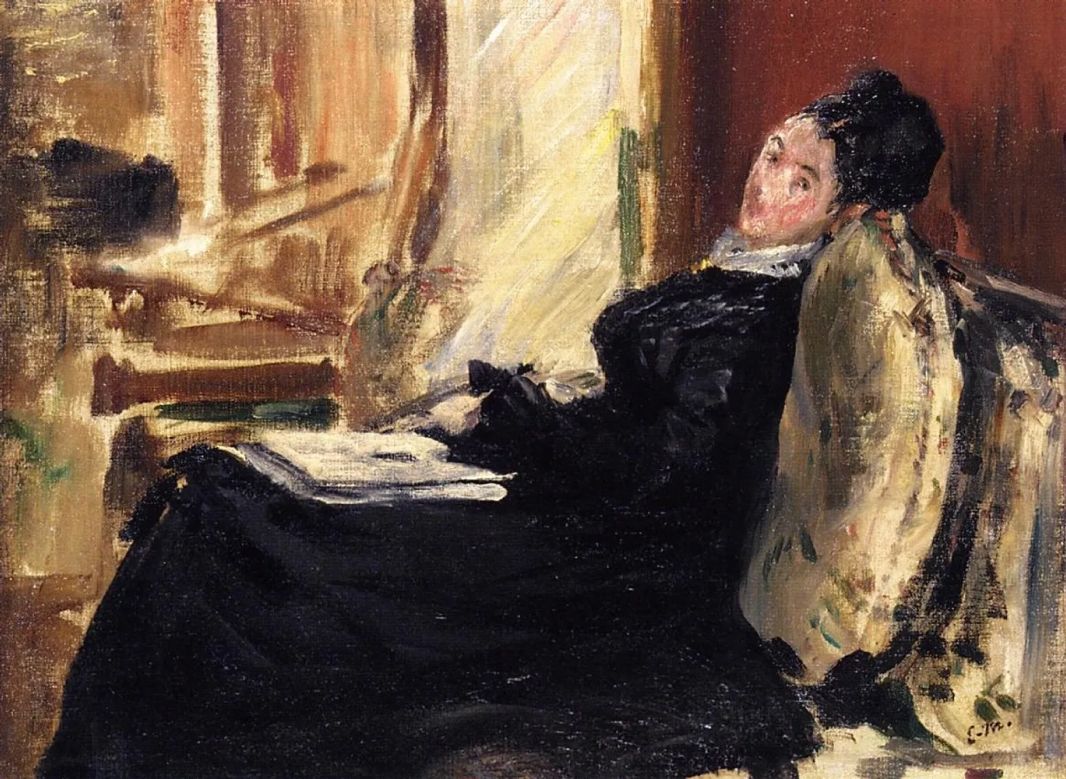
The modernist era reshaped world literature by boldly challenging traditional forms and genres. Writers of this period sought new approaches to express a world undergoing scientific, social, and political upheaval. Modernist literature opens up a world of symbols, psychological depth, and an understanding of a character’s inner state. Modernist authors focused on their characters’ feelings and thoughts, inner conflicts, and existential questions, conveyed through unique, unconventional narrative forms.
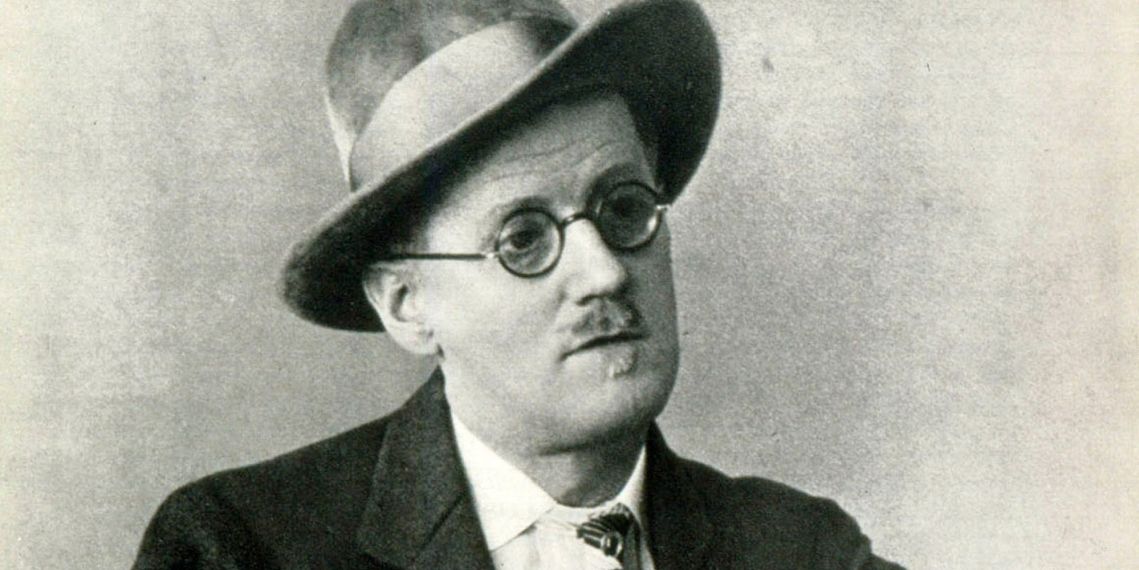
James Joyce — "Ulysses"
James Joyce’s Ulysses became a true revolution in literature. This work is unique in its structure, style, and symbolism. Joyce employs the stream-of-consciousness technique, allowing the reader to plunge into the protagonist’s thoughts, often breaking away from the plot itself. The novel follows a single day in the life of Leopold Bloom and is filled with references to mythology, philosophy, and even politics. Through his linguistic and narrative experimentation, Ulysses became one of the most important modernist texts, inspiring an entire generation of writers.
"“History is a nightmare from which I am trying to awake.” "
James Joyce
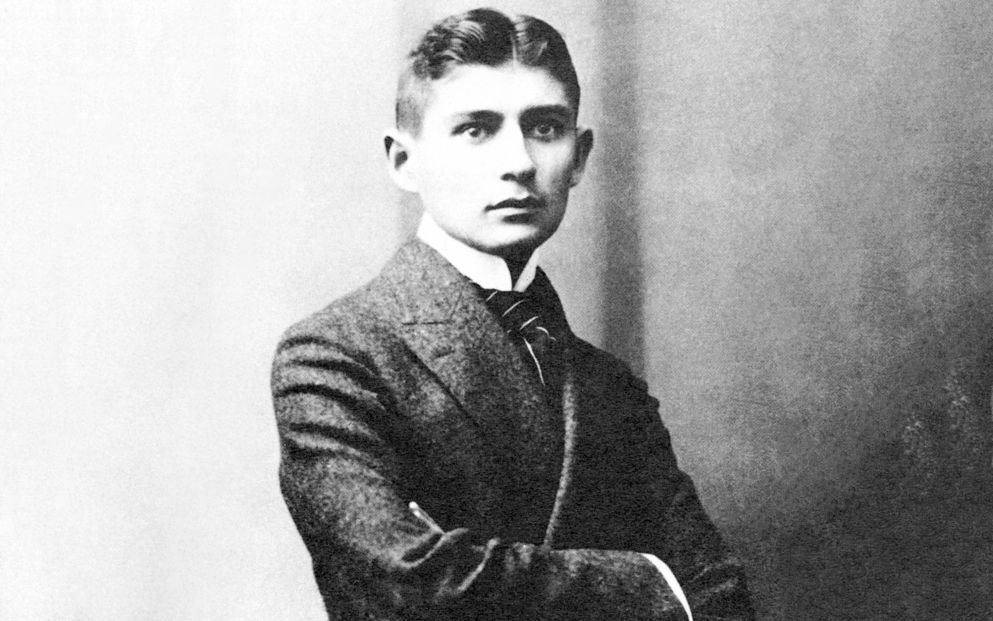
Franz Kafka — "The Metamorphosis"
Kafka’s novella The Metamorphosis is a profound work that lays bare absurdity and alienation. The protagonist, who suddenly becomes an insect, finds himself entirely isolated and misunderstood, symbolizing humanity’s helplessness in the face of circumstances and the cruelty of others. Kafka addresses themes of human worthlessness and loneliness, questioning the value of social bonds. He masterfully creates an atmosphere of tension, conveying the weight of existence in a hostile, alien world.
"“When Gregor Samsa woke up one morning from unsettling dreams, he found himself changed in his bed into a monstrous vermin.” "
Franz Kafka
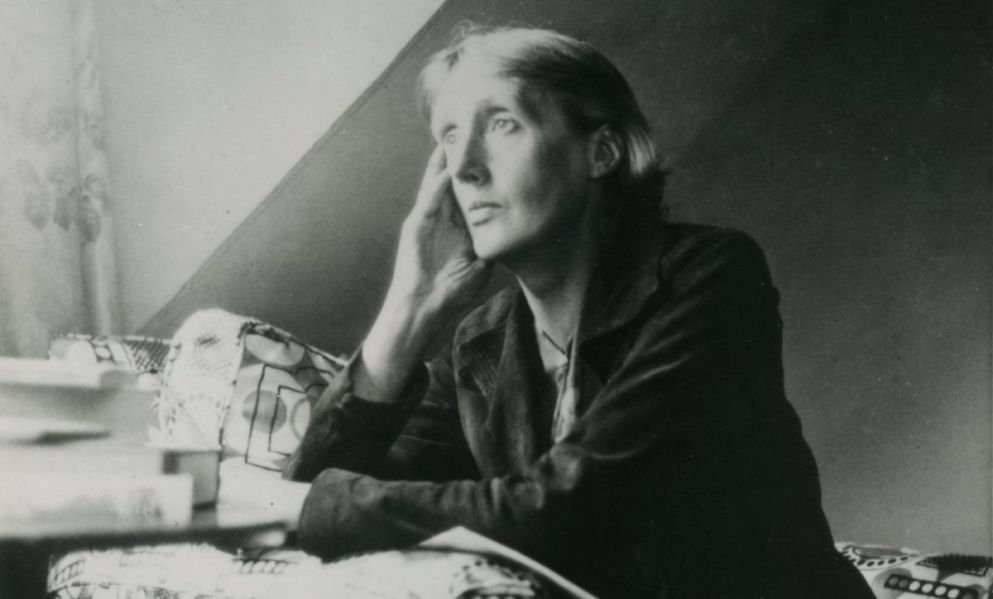
Virginia Woolf — "To the Lighthouse"
In this novel, Virginia Woolf experiments with language and narrative techniques, emphasizing the inner worlds of her characters. The story of the Ramsay family is conveyed through a stream of consciousness, reflecting the psychological nuances of perception. Woolf skillfully uses symbolism and poetic style to convey a sense of loss, parting, and the fleeting nature of time. To the Lighthouse became one of the most outstanding works of modernism, showing how literature can capture the subtlest shades of thought and emotion.
"“Life is a dream, from which we wake up too late.”"
Virginia Woolf
Modernism in literature gave the world works that require a reader’s conscious engagement and deep reflection. These authors expanded the horizons of literature, allowing complex themes to be explored through the lens of personal experiences and symbolic images.