
Literature
The Golden Age of Russian Literature
Posted:2024-10-22
Author:Art
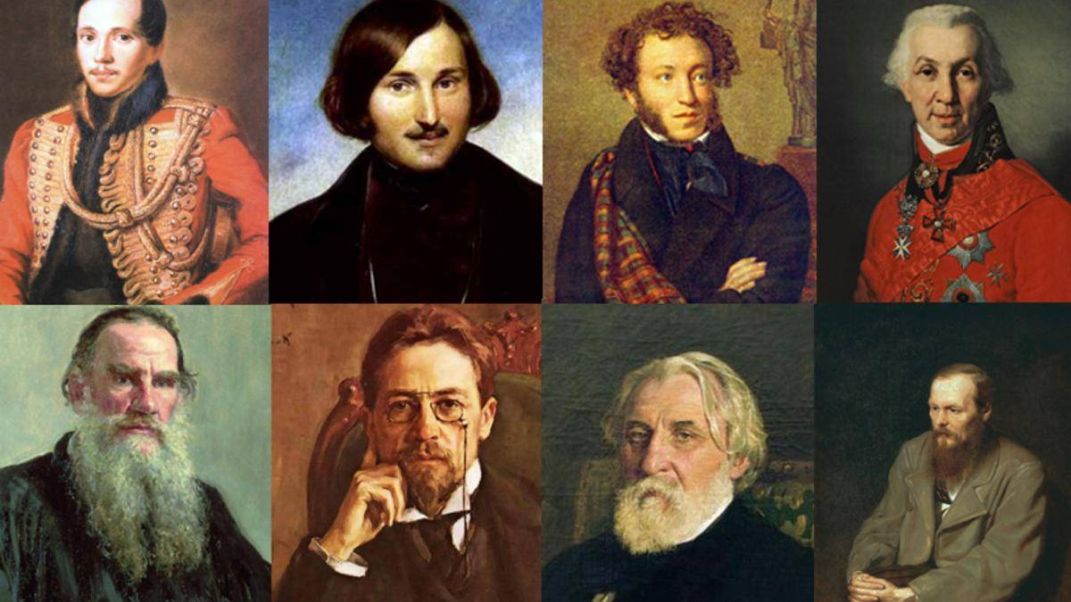
The Golden Age of Russian literature is known for its deeply psychological, philosophical, and social works, which have become an integral part of world culture. Nineteenth-century Russian literature intensely explores human experiences, social issues, and timeless questions of morality. Writers of that time, such as Leo Tolstoy, Fyodor Dostoevsky, and Anton Chekhov, elevated the art of literature, creating works that reveal the human soul and its struggle for freedom and truth.
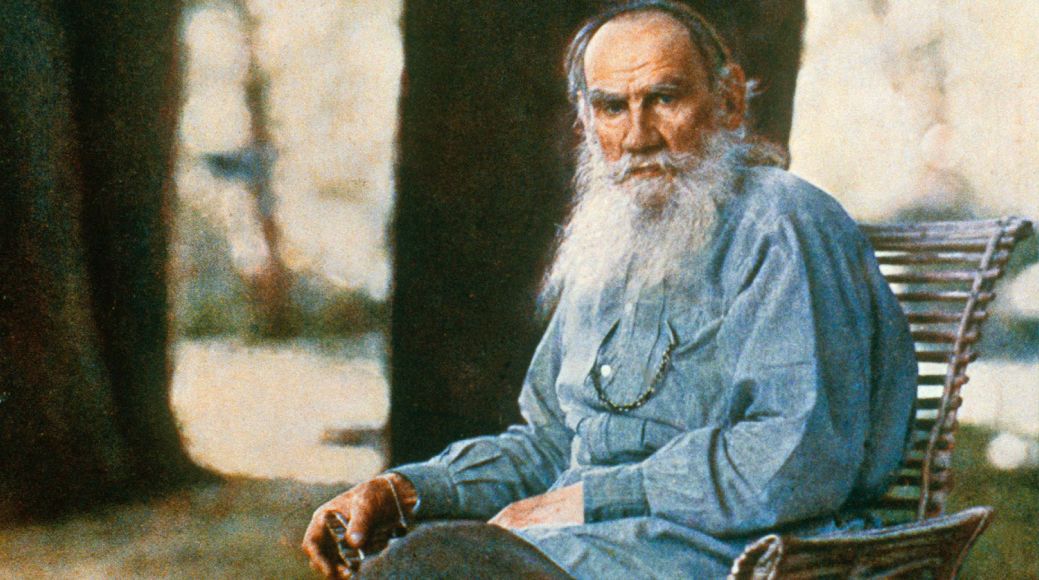
Leo Tolstoy
Tolstoy’s works, such as War and Peace and Anna Karenina, examine not only the fates of individual characters but the world around them. Tolstoy aimed to portray the “full truth” of life, not shying away from conflict or suffering. He shows how even the most respected members of society can make mistakes, be vulnerable, and contradict themselves. With incredible depth, Tolstoy unveils the complexities of the human soul, balancing between personal experiences and social issues, such as aristocracy, freedom, and the meaning of life.
"“All happy families are alike; each unhappy family is unhappy in its own way.”"
Leo Tolstoy
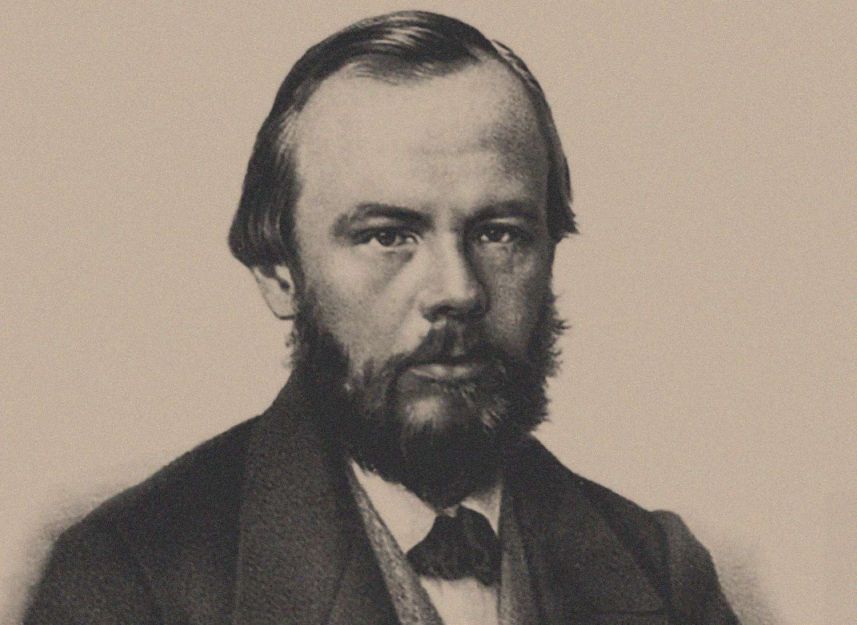
Fyodor Dostoevsky
Dostoevsky focused on studying themes of evil, redemption, and morality. In his works, such as Crime and Punishment and The Idiot, he examines his characters' inner struggles, emotional turmoil, and challenging moral decisions. Each of his novels delves deeply into the psychology of the characters while simultaneously critiquing societal norms and vices. Dostoevsky shows how humanity constantly battles its inner demons yet strives for truth and forgiveness.
"“Beauty will save the world.” "
Fyodor Dostoevsky
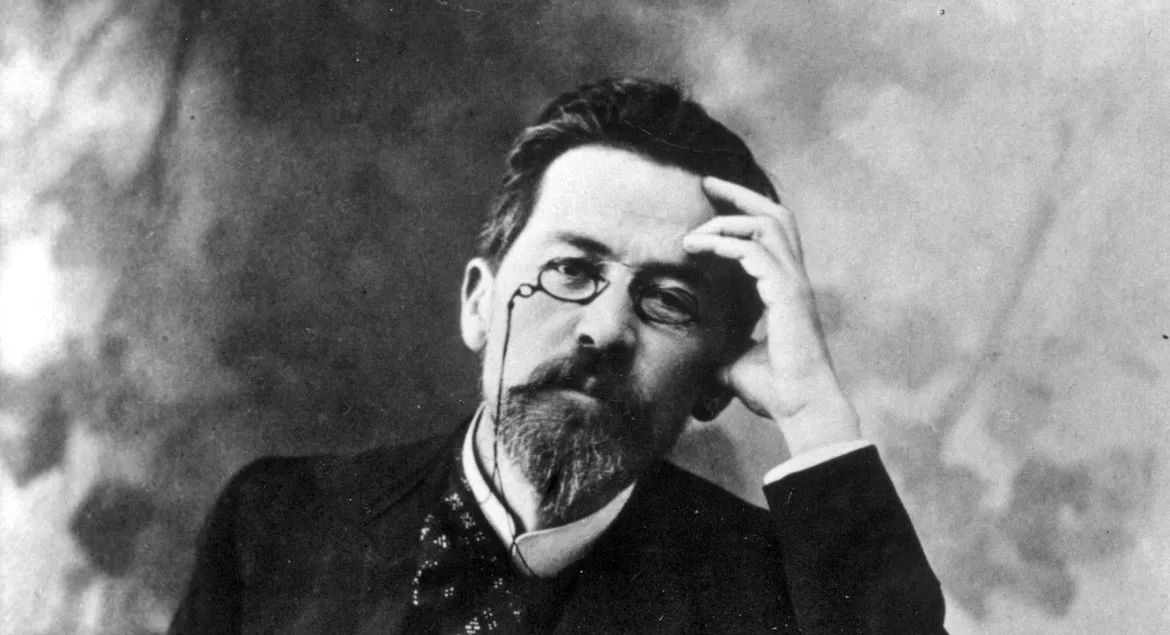
Anton Chekhov
Chekhov is renowned for his mastery of short prose, where seemingly simple plots become profound stories about life. He often depicts moments of human weakness and daily struggles, giving them depth and meaning. His works, such as The Cherry Orchard and The Man in a Case, are filled with irony and reflect societal stereotypes, inner limitations, and humanity’s battle with itself. Chekhov created images of people in crisis, revealing subtle psychological nuances that make readers reflect on their own values and goals.
"“A man should be everything: his face, his clothes, his soul, and his thoughts.”"
Anton Chekhov
These writers did not merely create works of fiction; they examined the most important philosophical and social questions. Their works remain inspiring and instructive, raising questions that will always be relevant.