
Literature
Novels Exploring the Nature of Human Evil
Posted:2024-11-12
Author:Art
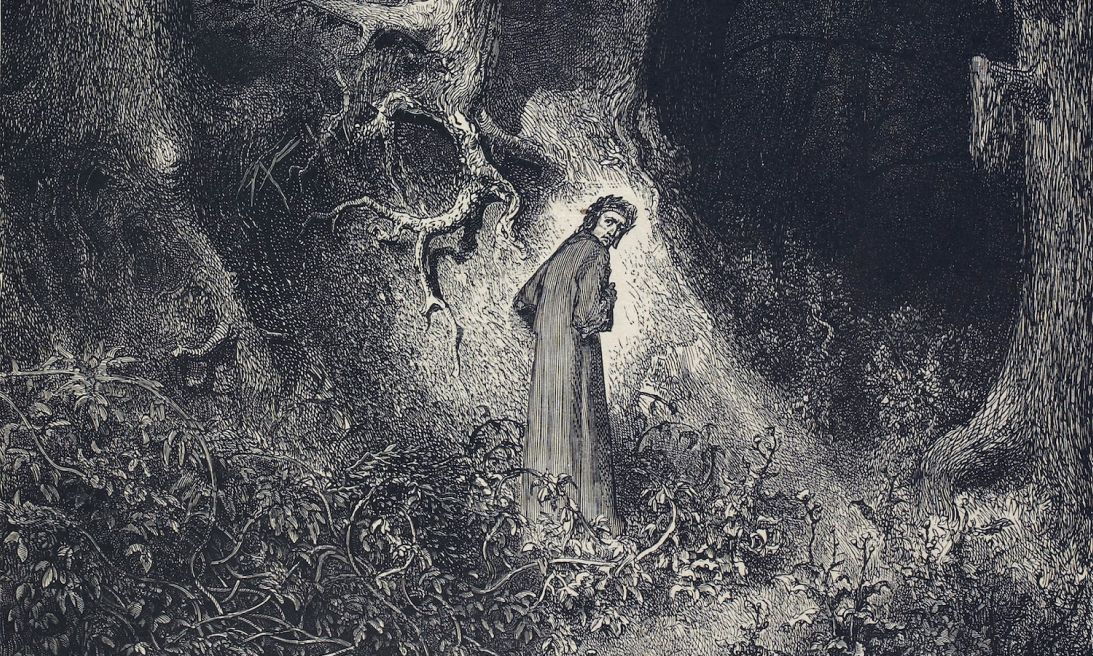
Many great writers have sought to understand and depict the darker sides of the human soul. Novels that explore the nature of evil aim to help readers comprehend its origins and answer questions about why people commit horrific acts. These works provoke reflections on morality, responsibility, and the consequences of choice. Through deep psychological portraits and dramatic events, the authors of such novels invite us on a journey that illuminates the darker depths of human nature.

"Moby-Dick" by Herman Melville
Herman Melville’s Moby-Dick is not only a story about the hunt for a giant white whale but also a profound exploration of human obsession and evil. Captain Ahab, whose anger and hatred toward the whale turn into madness, becomes a force that can destroy everything around him. Through Ahab’s character, Melville raises questions about how the thirst for revenge can consume a person and lead to tragedy. This novel reminds us that evil sometimes arises from within, like an uncontrollable passion.
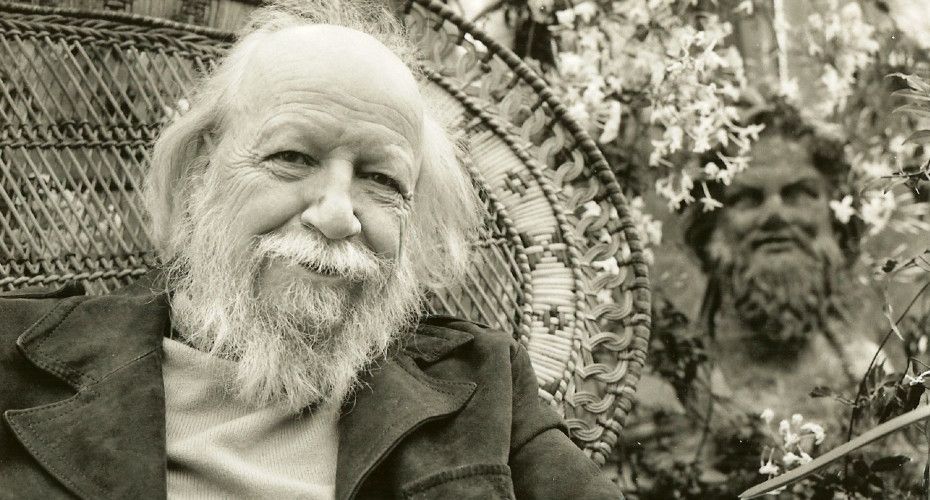
"Lord of the Flies" by William Golding
William Golding’s Lord of the Flies is an allegorical work that shows how quickly social norms and civilized rules can vanish when people are left unsupervised. A group of boys stranded on a deserted island gradually descends into chaos, and their behavior becomes increasingly brutal. Golding examines how evil impulses can emerge in anyone, especially in the absence of social control. This novel touches on the age-old question of whether evil is an innate trait or a product of environmental influence.
Novels that explore the nature of evil invite us to look within ourselves and ask questions about what drives people to cruelty, revenge, or destruction. These works remind us of the importance of morality and introspection, inviting us to consider how we might resist the darker sides of our own nature.