
Literature
Classic Novels That Changed the World
Posted:2024-11-13
Author:Art
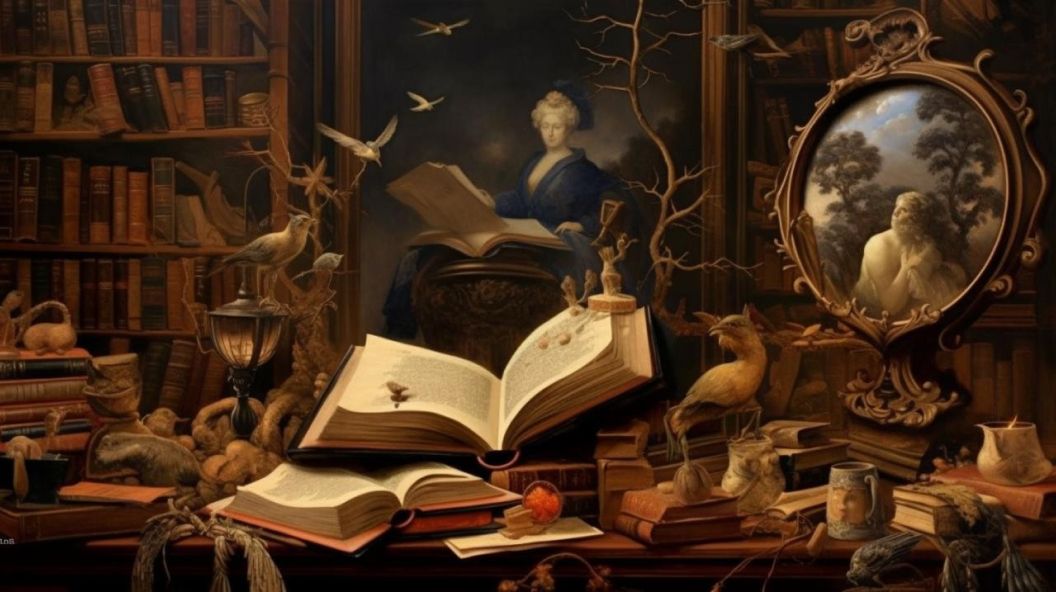
Classical literature serves as a window into the past, allowing readers to experience events, ideas, and ideals that have left a mark on history and culture. These novels became iconic works of their time and continue to help us rethink timeless themes: love, freedom, justice, and the internal conflicts of the human condition. Their universal themes and depth show that, despite historical and cultural differences, people share the same aspirations and values.
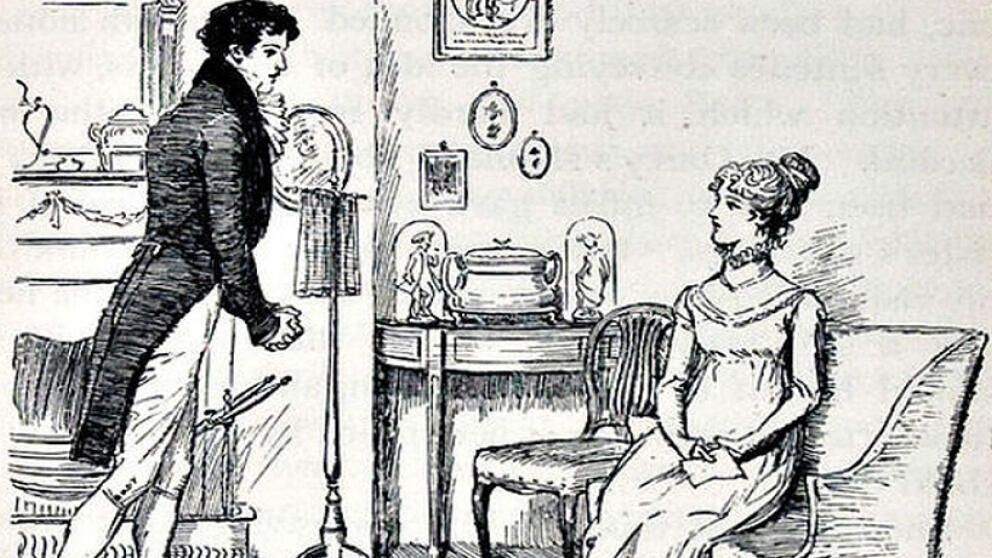
"Pride and Prejudice" by Jane Austen
This novel is one of the first in world literature to examine marriage as both a social contract and a personal choice. Austen boldly critiques Victorian England’s traditions, questioning a woman’s status, her limited rights, and dependence on marriage as the only way to gain financial security. Through the character of Elizabeth Bennet, the author raises issues of class and independence, demonstrating that true feelings defy societal conventions. Austen’s wit and attention to detail allow readers to immerse themselves in the unique atmosphere of the era.
"“One half of the world cannot understand the pleasures of the other.”"
Jane Austen

"1984" by George Orwell
George Orwell’s dystopian novel 1984 is not just a piece of fiction but a grim warning about the dangers of totalitarianism and control over personal life. Orwell shows what happens when freedom of speech and thought are fully suppressed, and individual beliefs are obliterated by a powerful state apparatus. The world where Winston Smith is constantly watched by Big Brother creates a pervasive sense of fear and helplessness. This novel reminds us of the value of freedom and society’s responsibility to uphold truth and morality.
"“War is peace. Freedom is slavery. Ignorance is strength.”"
George Orwell
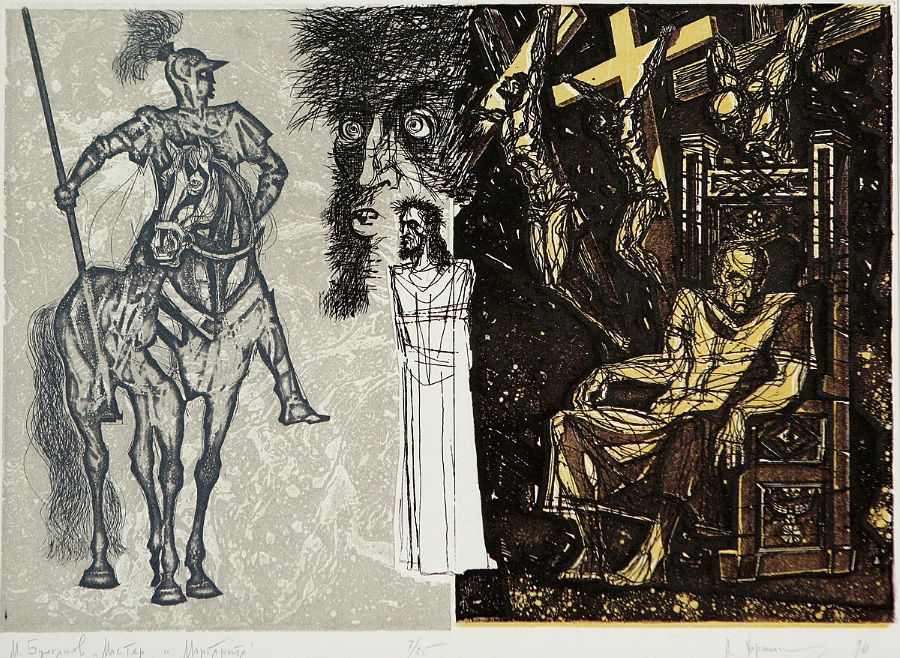
"The Master and Margarita" by Mikhail Bulgakov
Bulgakov created a novel that has no equal in world literature. The Master and Margarita is a complex, multilayered work in which reality intertwines with mysticism and satire. Through the arrival of the devil in Moscow, Bulgakov highlights the complicated relationships between power and society while addressing questions of good, evil, and true love. The main characters, the Master and Margarita, become symbols of creative and spiritual freedom, struggling against a dark reality. This novel captivates readers with its magical atmosphere, philosophical insights, and satirical observations.
"“Manuscripts don’t burn.”"
Mikhail Bulgakov
These works provoke deep thought, returning to humanity’s eternal questions. Classic literature remains relevant precisely because of its universal themes and the remarkable artistic skill of its authors.